


On World Ocean Day, a campaign linked to Glasgow 2026 is using sport’s global reach to stop one million pieces of plastic reaching rivers, seas and waterways
The ocean has its own international day today, but one campaign is trying to make sure the attention lasts longer than 24 hours.
For the first time, the King’s Baton Relay, the ceremonial journey that leads into the Commonwealth Games, has been linked to the Commonwealth Clean Oceans Plastics Campaign, a partnership between Commonwealth Sport and the Royal Commonwealth Society.
Its target is practical and measurable: to stop one million pieces of plastic entering Commonwealth waters before the Glasgow 2026 Commonwealth Games, which take place from 23 July to 2 August.
The campaign has already passed the halfway mark. According to Commonwealth Sport’s live tracker, more than 625,000 pieces of plastic have so far been collected by communities along the relay route.
World Ocean Day, marked each year on 8 June, was first proposed at the 1992 Earth Summit in Rio de Janeiro and later formally recognised by the United Nations. Its purpose is to celebrate the ocean’s role in human life and focus attention on how it can be protected.
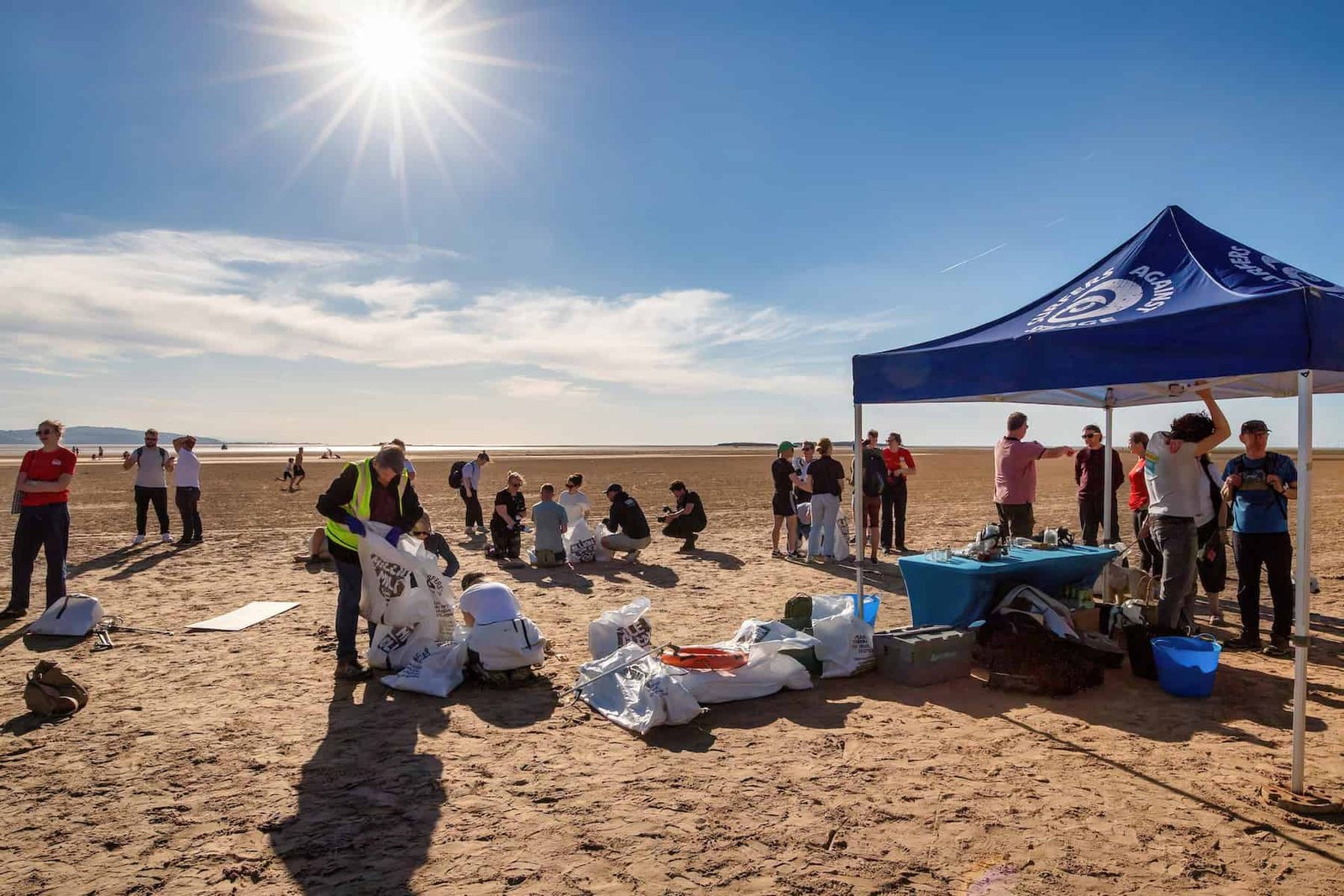
At West Kirby beach, Merseyside, in May, Team England’s leg of the campaign saw 25 people collect 21kg of rubbish, including 552 plastic items. Among them were 111 branded items from 56 different brands, a telling snapshot of how packaging waste travels from shops, streets and bins to the shoreline.
More than 625,000 pieces of plastic have so far been collected by communities along the relay route
Ellie Simmonds, the five-time Paralympic gold medallist and former Commonwealth swimmer, joined volunteers on the sand as part of the clean-up.
“Sport is so powerful, it can facilitate change,” she told Positive News magazine. “I am very passionate about water, having spent many years swimming in a chlorinated pool, but since retiring I have been lucky to use my passion and be able to travel the world and work with lots of incredible ocean conservationists and gain lots of knowledge of why water and oceans are so important to preserve and look after.”
The Commonwealth Games, held every four years, brings together athletes from across the Commonwealth of Nations, spanning Africa, Asia, the Caribbean, the Americas, Europe and the Pacific. The baton relay has long been one of its most recognisable traditions, carrying a message from the head of the Commonwealth to the opening ceremony.
This time, organisers are using that journey as a practical route map for environmental action. Clean-ups are taking place across Commonwealth nations and territories, with athletes, schools, conservation groups and local volunteers asked to take part.
Ellie Simmonds, the five-time Paralympic gold medallist and former Commonwealth swimmer, joined volunteers on the sand as part of the clean-up
The Commonwealth accounts for around a third of the world’s ocean waters, while almost half of Commonwealth countries are Small Island Developing States, many of them acutely exposed to marine pollution, rising seas and the waste that washes in from far beyond their own shores.
For Simmonds, who won medals in the pool before becoming an advocate for ocean conservation, the connection between sport and water is personal.
“With the news that Glasgow’s Commonwealth Games is happening and Team England’s one of their initiatives is looking after the Commonwealth waterways, I thought it was important for me to go to West Kirby beach and help out, pick up plastic and meet lots of the community,” she told Positive News magazine.
Sport is so powerful, it can facilitate change
“Sport is watched by many millions of people across the world and if sport can do that one thing to create change, then it can create that ripple effect, so it’s wonderful to be involved.”
That ripple effect is the real test of the campaign. Beach cleans alone will not solve plastic pollution, but they can remove waste before it breaks down into smaller fragments, create local evidence of the brands and materials most often found in the environment, and give communities a visible way to press for less plastic entering the system in the first place.
The campaign also gives Glasgow 2026 a broader legacy challenge. The Games will bring medals, crowds and television audiences, but this initiative asks whether a global sporting event can also leave behind measurable environmental repair.
Photography: Steve Samosa Photograhy
Be part of the solution
At Positive News, we’re not chasing clicks or profits for media moguls – we’re here to serve you and have a positive social impact. We can’t do this unless enough people like you choose to support our journalism.
Give once from just £1, or join 1,800+ others who contribute an average of £3 or more per month. Together, we can build a healthier form of media – one that focuses on solutions, progress and possibilities, and empowers people to create positive change.
Support Positive News
