


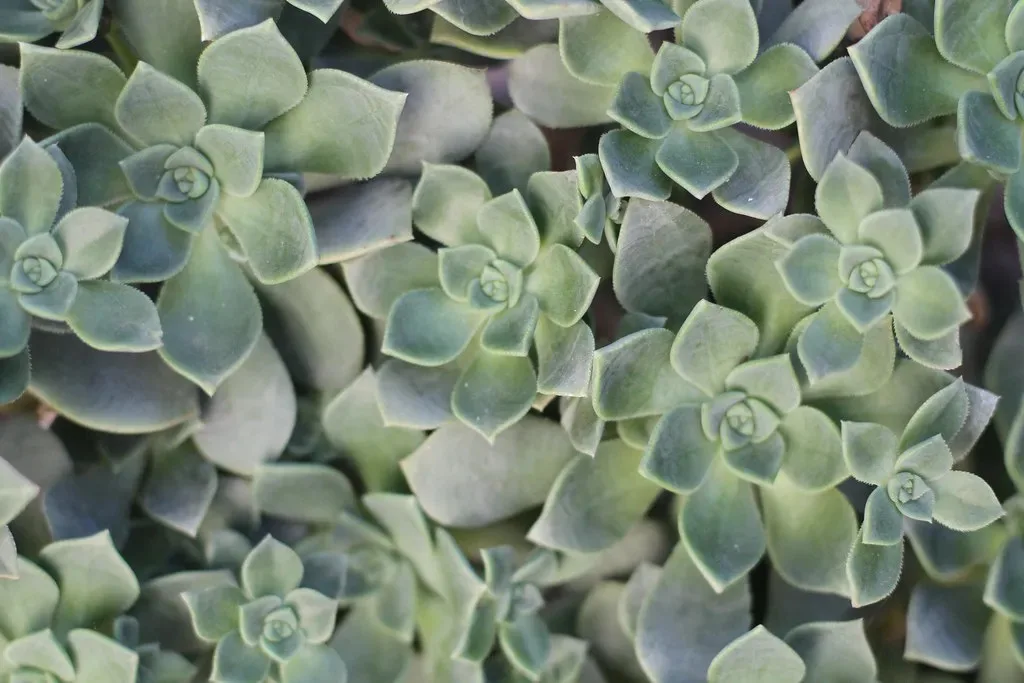
There’s something quietly telling about the plant you reach for when you walk into a nursery. Not the one you think you should own, but the one your hand instinctively moves toward. Succulents, in particular, have a way of reflecting the lives of the people who keep them. Succulents are currently the most popular houseplant in the United States, and that popularity isn’t accidental. The busy schedules of modern consumers have generated a specific need for low-maintenance plants, making succulents an especially appealing option.
Nearly two-thirds of plant owners report that caring for houseplants helped them develop a routine or daily habit, which means the plants we choose are tangled up with the rhythms we build our days around. Each variety, from a tidy Echeveria on a kitchen shelf to a sprawling Jade plant by the front door, hints at something real about how you actually live.
1. Echeveria: The Aesthetic Optimizer
1. Echeveria: The Aesthetic Optimizer (Image Credits: Pexels)
If your go-to succulent is an Echeveria, there’s a good chance your mornings involve some version of a curated ritual. Echeverias, with their intricate rosette shapes, symbolize beauty and balance in growth, and their wide variety of colors lets you choose one that resonates with your personal feelings. Requiring little more than bright light and occasional watering, this hardy succulent is a reminder that growth often comes gracefully and steadily.
Echeveria plants are often associated with feelings of calmness and tranquility. Their soothing colors and gentle curves evoke a sense of peace, making them perfect for meditation or relaxation areas. Beyond their aesthetic appeal, they are believed to promote emotional balance and harmony within their surroundings. People who gravitate toward Echeveria tend to care about the way things look, but not in a superficial way. Visual order genuinely helps them think more clearly.
2. Jade Plant: The Long-Game Thinker
2. Jade Plant: The Long-Game Thinker (Image Credits: Pexels)
Jade plant owners are rarely impulsive. The jade plant, known as Crassula ovata, is considered a symbol of good luck and prosperity in many cultures, especially in Feng Shui. People who choose this plant often think in seasons rather than days, checking in on progress over months instead of obsessing over daily outputs.
One of the most favored succulent plants for indoor growth, the jade plant is often called the “plant of prosperity” because it is believed to attract wealth, reduce stress, and balance energies. Feng shui recommends placing it in spaces where visitors are received to enhance its positive effects. If you own a jade plant, your daily routine probably includes at least one intentional pause, whether that’s a proper lunch break or the habit of closing your laptop before a certain hour. You understand that compounding patience pays off.
3. Aloe Vera: The Practical Problem-Solver
3. Aloe Vera: The Practical Problem-Solver (Image Credits: Unsplash)
Aloe Vera is considered perfect for anyone with a personality that is tough or gruff on the exterior but underneath, they are a big softie. It is a spiky succulent that contains a soothing gel great for sunburn and skin conditions, and it is an easy plant to care for that does not need to be watered often. Aloe vera owners tend to have a “fix it when it needs fixing” approach to daily life.
Aloe vera has been the most important succulent since ancient times and is considered a symbol of good health, happiness, and grace. Your routine is likely less rigid than your friends assume. You don’t pre-plan every detail, but when something breaks down, you already know what to do. Aloe Vera is a symbol of healing and renewal, making it a fitting choice for fresh starts. Known for its soothing properties, this succulent is both beautiful and functional.
4. Snake Plant (Sansevieria): The Efficient Minimalist
4. Snake Plant (Sansevieria): The Efficient Minimalist (Image Credits: Pixabay)
The snake plant, also known as Mother-in-Law’s Tongue, is a type of succulent with long, upright sword-shaped leaves. It can tolerate low light conditions, making it great for a corner of any room, and it does best in well-drained pots with dry periods between waterings. If this is your plant, your daily routine is almost certainly stripped of excess. You’re not interested in productivity theater.
The snake plant, or Sansevieria trifasciata, has the ability to purify the air. Snake plant people often keep tidy spaces not for appearances but because physical clutter genuinely disrupts their focus. Indoor plants can boost productivity and concentration in home offices by up to roughly fifteen percent, and snake plant owners are typically the ones who noticed that effect first and leaned into it.
5. Cactus: The Independent Realist
5. Cactus: The Independent Realist (Image Credits: Rawpixel)
Cactus people don’t need daily affirmation that things are going well. Cacti are beautifully grown in areas where rainfall is very low, and thus they are symbolized with bravery and power. Their owners tend to operate with a similar self-sufficiency, preferring to handle their routines quietly without a lot of check-ins from others.
The cactus is full of spikes, making it the perfect symbol of protection, bravery, and chastity. However, cacti can also represent aggressiveness and standoffishness. That dual nature is accurate for many cactus owners too. They can come across as hard to reach, but those who stick around find them remarkably reliable. Their daily routine is consistent, sometimes bordering on stubborn, and they tend to resist disruption better than most.
6. Haworthia (Zebra Plant): The Detail-Oriented Observer
6. Haworthia (Zebra Plant): The Detail-Oriented Observer (Image Credits: Pexels)
The Zebra plant, scientifically known as Haworthia fasciata, is a striking succulent with distinctive white stripes. Feng shui enthusiasts admire this plant for its ability to purify and cleanse the air, and it is believed to be an energy booster that brings harmony, peace, and balance into living spaces. People drawn to Haworthia are usually careful about their environment in ways others don’t immediately notice.
With its understated beauty, the zebra plant is an ideal succulent for those with a sense of order, and its meticulous stripes mirror a detail-oriented and practical side. If this is your plant, your morning probably has a sequence that works and you’re not interested in switching it up. You notice when things are slightly off, in your space, your schedule, and the people around you, and that attention to detail is genuinely one of your most useful habits.
7. String of Pearls: The Creative Free Spirit
7. String of Pearls: The Creative Free Spirit (Image Credits: Unsplash)
String of Pearls owners tend to have a daily routine that looks chaotic from the outside but makes complete sense from inside their own head. String of pearls, with its beaded chains resembling real pearls, symbolizes loyalty, purity, and friendship. Spiritually, it makes people feel fulfilled, joyous, and energetic. They need a certain amount of sensory beauty around them to feel settled.
With its delicate, bead-like leaves cascading down like strings, this unique succulent represents the beauty of starting anew. It thrives in well-draining soil and indirect sunlight, making it a great option for hanging planters. Its graceful growth reminds us that new beginnings can be both elegant and rewarding. String of Pearls people often resist routine for routine’s sake, but they build systems that serve their creativity rather than constrain it. Their best work tends to happen in bursts.
8. Hens and Chicks: The Community Builder
8. Hens and Chicks: The Community Builder (Image Credits: Unsplash)
Few succulent owners are as quietly generous as those who gravitate toward Hens and Chicks. The plant itself propagates constantly, spreading little offsets called “chicks” from the central rosette. If properly potted, succulents require little maintenance to survive indoors, and they are very adaptable houseplants that will thrive in a range of indoor conditions. Hens and Chicks owners often apply that same adaptability to their own routines.
Their daily habits tend to center around relationships. They check in on people, maintain social threads that others let drop, and their schedules often include others’ needs built right in. Nearly two-thirds of plant owners report feeling happier and more relaxed when caring for their houseplants, and for Hens and Chicks owners, that calm is probably tied to their sense of being useful, to both their plants and the people around them.
9. Burro’s Tail (Sedum morganianum): The Patient Creative
9. Burro’s Tail (Sedum morganianum): The Patient Creative (Image Credits: Unsplash)
Burro’s Tail is a trailing succulent that takes time to develop its characteristic cascading form. Burro’s Tail is popular for its cascading growth habits, and the people who choose it are usually comfortable with slow, visible progress. They don’t need immediate payoff to stay motivated.
Studies have found that indoor plants significantly reduce cortisol levels and improve mood. This aligns with a broader focus on mental resilience, routine, and self-care systems that are practical rather than performative. Burro’s Tail owners tend to share that orientation. Their routines are built around creative or intellectual work that doesn’t produce quick results, and they’ve made peace with that. Caring for plants can provide a sense of purpose and responsibility, which can boost self-esteem and promote a sense of accomplishment. The act of nurturing and watching plants grow can also instill a sense of tranquility and mindfulness.
10. Kalanchoe: The Mood-Led Multitasker
10. Kalanchoe: The Mood-Led Multitasker (Image Credits: Pixabay)
Succulent owners are often persistent, independent, and have no problem supporting themselves. Succulents do best when left alone and allowed to soak up some sun, and their plump, water-retaining leaves allow them to thrive in periods of drought for weeks at a time. Kalanchoe owners, however, add a colorful twist to that independence. They need bursts of vibrancy to stay energized, and their routines often reflect that.
Kalanchoe blooms in cycles, and so do its owners. Their daily routines are rarely the same two weeks in a row, and they’re often managing several different projects or interests at once. The increasing appeal of succulents among millennials and younger generations is tied to their low maintenance needs and capacity to elevate the aesthetics of contemporary living areas. Kalanchoe people are usually in that camp: they want a plant, and a life, that looks alive. For many in this generation, plants provide control, routine, and care in a fast, digital world.
What the Research Actually Shows About Plants and Routine
What the Research Actually Shows About Plants and Routine (Image Credits: Pixabay)
Beyond aesthetics, caring for plants has become a form of mindfulness and self-care for many people. That connection between plant care and personal routine isn’t just anecdotal. In 2026, roughly seventy percent of plant owners now prefer low-maintenance varieties suitable for busy lifestyles, driving a significant surge in demand for drought-tolerant and low-water-use houseplants over the past two years.
Gen Z is redefining home through plants, turning greenery into daily rituals of care, sustainability, and mental well-being. This mirrors the wider data on how younger generations think about their days. According to data published by Precedence Research, the wellness market has experienced a profound shift, particularly among Gen Z and Millennials, who have transitioned wellness from an occasional activity to a daily, holistic ritual. These younger generations are integrating sleep, fitness, nutrition, and mental health into their everyday routines.
The Garden Media Group’s 2026 Garden Trends Report found that roughly four in ten Gen Z consumers now identify as plant collectors rather than casual owners, which suggests the relationship with plants has deepened from decoration to genuine daily practice. When a plant fits your pace and your personality, it tends to stick around. And that, more than any mystical symbolism, might be the most telling thing of all.
The Bigger Picture: Succulents as a Mirror
The Bigger Picture: Succulents as a Mirror (julietinsummer, Flickr, CC BY-SA 2.0)
The idea that plants, while wonderful, are not a one-size-fits-all addition to a home is well founded. The plants you choose to add to your life should match your unique personality. Succulents make that matching especially easy because their range is so wide. If you have an easy-going personality, low-maintenance succulents are perfect for you. They come in a range of colors, sizes, and leaf shapes ranging from round to spiky, so there is sure to be one to suit your taste.
The succulent market itself reflects just how much this resonates at scale. The succulent plant market was valued at around 4.99 billion USD in 2024, and it continues to grow. According to the USDA Floriculture Crops Summary, there was already a dramatic increase in succulent and cacti sales between 2012 and 2017. The plants we choose, it seems, are not random. They reflect us back to ourselves in ways that are, if you look closely enough, surprisingly accurate.
The relationship between a person and their succulent is a small but honest one. You chose it, you keep it alive (or barely so), and somewhere in that low-stakes arrangement is a reflection of how you actually move through your days. Not how you intend to, but how you genuinely do. That quiet honesty might be why succulents have endured as the most popular houseplant in the country. They’re easy to keep, hard to fake, and remarkably good at surviving alongside whoever you actually are.
AI Disclaimer: This article was created with the assistance of AI tools and reviewed by a human editor.
The post What Your Favorite Low-Maintenance Succulent Says About Your Daily Routine appeared first on The Garden Magazine.
