


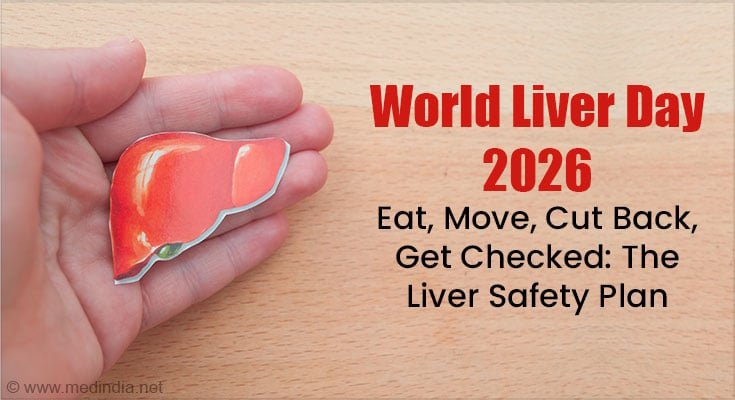
World Liver Day on April 19 raises awareness about liver health and promotes habits like healthy eating, exercise, and regular check-ups to prevent disease.
Highlights:
- World Liver Day 2026 theme is “Solid Habits, Strong Liver” focusing on four habits to prevent liver disease
- One third of adults globally have MASLD, a silent liver condition that can lead to cirrhosis or cancer
- A balanced diet, regular activity, less alcohol, and routine liver checks can prevent most liver disease
A healthy liver is essential for overall well-being, as it performs over 500 vital functions that keep the body functioning efficiently. World Liver Day, observed every year on April 19, aims to raise awareness about liver health and encourage individuals to adopt habits that support a healthier future (1✔ ✔Trusted Source
World Liver Day
Go to source
).
The liver acts as the body’s powerhouse, filtering toxins, processing nutrients, and maintaining balance, making its care a top priority for long-term health.
World Liver Day is marked annually to increase global awareness about liver health and the prevention of liver diseases. Supported by health organizations, it educates people about conditions such as hepatitis, cirrhosis, fatty liver, and liver cancer.
Advertisement
Simple Daily Practices for Liver Disease Prevention
The theme for World Liver Day 2026, “Solid Habits, Strong Liver,” shows how simple lifestyle changes can protect the liver and prevent serious conditions such as metabolic dysfunction-associated steatotic liver disease (MASLD), cirrhosis, and liver cancer. Metabolic dysfunction–associated steatotic liver disease (MASLD) is a condition where excess fat builds up in the liver due to metabolic issues, not alcohol.
Maintaining a balanced diet, staying physically active, limiting alcohol intake, and undergoing regular liver check-ups are practical steps that support liver health and help reduce disease burden worldwide.
The message also encourages individuals to actively manage their liver health by recognizing symptoms early and seeking timely medical advice. Consistent daily habits and increased awareness can significantly lower the risk of liver disease, reinforcing the importance of small, steady actions in maintaining a healthy liver.
Advertisement
Impact of Lifestyle on Liver Disease Development
The liver plays a vital role by filtering blood, breaking down food, storing energy, and maintaining balance in the body. However, about one-third of the global adult population is affected by metabolic dysfunction-associated steatotic liver disease, a condition often linked to diet, weight, and lifestyle. While it may remain silent for years, it can eventually lead to fibrosis, cirrhosis, or even liver cancer if left unmanaged.
Encouragingly, small and consistent lifestyle changes can significantly improve liver health. The 2026 campaign emphasizes four key habits: eating a balanced diet, staying active, reducing alcohol intake, and getting regular liver check-ups. Incorporating these habits into daily life can help prevent serious complications, as most liver diseases are preventable.
Advertisement
Rising Burden of Metabolic Liver Disease
Maintaining a healthy lifestyle is not always simple, as choices related to diet, physical activity, alcohol consumption, and medical check-ups are often influenced by external factors such as marketing, public policies, and community design.
Governments and institutions play a key role by promoting clear food labeling, providing healthier meals in schools, creating safe spaces for physical activity, implementing taxes on sugary drinks and alcohol, and ensuring affordable health screenings.
Taking personal responsibility is equally important. Understanding how individual habits affect liver health is a small yet impactful step that individuals can control to improve their well-being.
Balanced Diet Choices That Protect Liver Health
Proper nutrition supports liver health. A plant-based diet that includes two to three fruits daily, along with vegetables, whole grains, lean proteins, and healthy fats, provides essential nutrients. Reducing the intake of ultra-processed foods, added sugars, and unhealthy saturated fats helps prevent damage caused by harmful ingredients.
Physical activity plays a significant role in maintaining liver health by improving energy use and preventing fat accumulation. Activities such as walking, cycling, swimming, dancing, or weightlifting contribute to reducing liver fat and strengthening overall health, even without weight loss.
Nutrition and Physical Activity for Liver Strength
Alcohol consumption can cause long-term damage to the liver. Reducing or avoiding alcohol allows the liver to function properly and is one of the most effective ways to prevent liver disease.
Regular health check-ups can identify early signs of liver damage before symptoms appear. Consulting a doctor for routine screening is especially important for individuals with risk factors such as diabetes, obesity, or a family history of liver disease.
Individuals are encouraged to take part in global efforts to promote liver health by sharing awareness, organizing events, or spreading messages on social media using hashtags related to World Liver Day and healthy habits. Collective action can help make liver disease prevention a shared global priority.
Together, consistent habits and increased awareness can contribute to a healthier future and reduce the burden of liver disease worldwide.
Frequently Asked Questions
Q: What is World Liver Day?
A: World Liver Day is observed on April 19 to raise awareness about liver health and disease prevention.
Q: What is MASLD and how many people have it?
A: MASLD stands for metabolic dysfunction-associated steatotic liver disease, and it affects one third of the global adult population.
Q: What is metabolic dysfunction-associated steatotic liver disease?
A: It is a common liver condition linked to diet, weight, and lifestyle that can progress silently.
Q: What are the four solid habits for a strong liver?
A: The four solid habits are eating a balanced diet, staying active, reducing alcohol intake, and getting regular liver checks.
Q: Who should get liver check-ups?
A: People with diabetes, obesity, or a family history of liver disease should consider routine screening.
Reference:
- World Liver Day – (https://worldliverday.org/)
Source-Medindia
