


Reviewed by Dietitian Madeline Peck, RDN, CDN
Credit: Design elements: Getty Images. EatingWell design.
Key Points
A simple rice, bean, veggie and egg bowl delivers protein, fiber and key nutrients for under $5.
Affordable staples like beans, rice and frozen vegetables make balanced meals more accessible.
Smart shopping habits—like choosing store brands and planning ahead—help keep costs down.
Eating well on a budget can feel like a challenge, but according to dietitians, it doesn’t have to be complicated or expensive. In fact, some of the most affordable foods at the grocery store are also some of the most nutritious. The key is knowing how to combine a few low-cost staples into a meal that’s both satisfying and balanced.
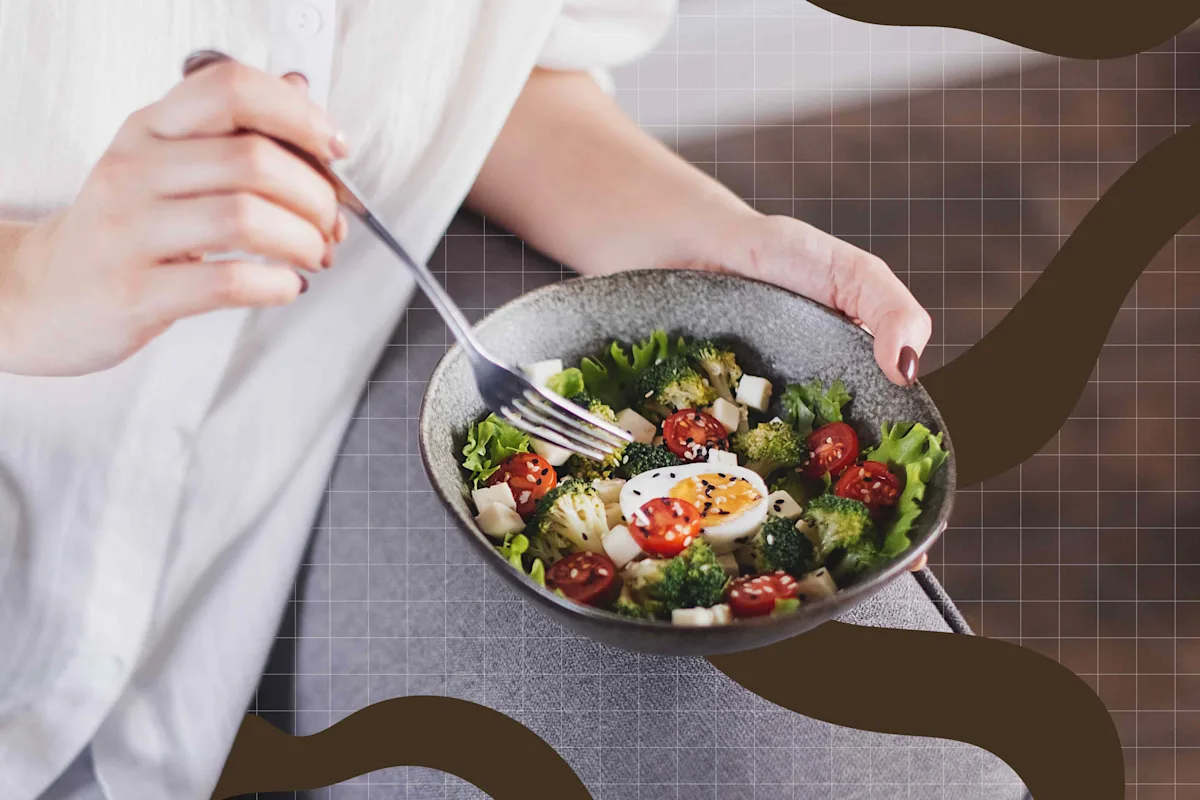
To show how it’s done, we asked dietitians to create a well-balanced meal for under $5. “One simple option is a rice and bean bowl with sautéed frozen vegetables and a fried egg on top,” says registered dietitian Samantha DeVito, M.S., RD, CDN. This easy meal delivers a balance of protein, fiber and essential nutrients—without stretching your grocery budget.
What Makes This Meal Well Balanced
It Provides Protein
Protein is a key part of any balanced meal—supporting muscle health, promoting satiety and helping maintain steady energy levels. In this bowl, black beans do the heavy lifting, offering an affordable, plant-based source of protein along with other important nutrients that support overall health, says registered dietitian Lisa Andrews, M.Ed., RD, LD.
One cup of canned black beans provides about 15 grams of protein, making it a budget-friendly way to build a satisfying meal. Topping the bowl with an egg adds an additional 6 grams of protein, bringing the total to around 20 grams per serving.
This combination of plant- and animal-based protein helps make the meal more filling and supports sustained energy, so you’re less likely to feel hungry shortly after eating.
It’s Rich in Fiber
Fiber is another key component of a balanced meal, helping slow digestion and promote stable energy levels. Black beans and vegetables are the primary sources of fiber in this meal. “The combination of protein and fiber helps keep you feeling fuller longer, which is key for both satisfaction and blood sugar balance,” DeVito tells EatingWell.
One cup of black beans provides about 15 grams of fiber, while vegetables add even more, depending on the variety you choose.
Beyond satiety and blood sugar control, fiber also plays an important role in other aspects of health. It supports gut health by feeding beneficial bacteria in the digestive tract and has been linked to improved cholesterol levels, which can benefit heart health.
It Delivers Key Vitamins and Minerals Without Extra Cost
In addition to protein and fiber, this meal provides a range of essential vitamins and minerals that support overall well-being. Black beans provide iron and B vitamins, while frozen vegetables provide nutrients like vitamin A, vitamin C and potassium—depending on the variety you choose—which support immune function, vision and overall health.
Adding salsa is an easy, low-cost way to boost the nutrient profile even more. “[Tomato-based] salsa provides vitamin C, which helps enhance the absorption of iron from beans,” says Andrews. It also contains potassium and lycopene, a plant compound with antioxidant properties.
Including meals like this regularly can help you meet your daily nutrient needs without relying on overpriced specialty foods.
What Makes This Meal Affordable
This meal is budget-friendly because it’s built around low-cost staples that can be used across multiple meals. Ingredients like rice, canned beans and eggs are among the more affordable, nutrient-dense options at the grocery store. Since rice and beans are shelf-stable, they can be purchased in bulk and stored longer, which helps reduce food waste.
Frozen vegetables are another cost-saving choice. They’re often less expensive than fresh produce, especially when items are out of season. Plus they last much longer in the freezer, making it easier to add vegetables without worrying about spoilage.
Tips for Grocery Shopping on a Budget
Build meals around affordable staples. “One of the easiest strategies is to build meals around affordable staples like beans, lentils, eggs, canned fish and frozen produce,” says DeVito. These foods are inexpensive, versatile and nutrient-dense, so you can create balanced meals without overspending.
Opt for store brands. “Choosing store brands also helps keep costs lower than purchasing name-brand items,” says Andrews. Generic items typically cost less than name-brand options but still offer similar quality and nutrition.
Shop with a plan to reduce waste. To get the most value out of your groceries and prevent food waste, plan your meals before you shop. This will help ensure that you only buy what you’ll use.
Our Expert Take
Eating well on a budget doesn’t have to be complicated. A simple bowl made with rice, beans, vegetables and an egg provides a balance of protein, fiber and micronutrients to help support fullness, stable energy and overall health. Dietitians agree that affordable staples can come together to create something both satisfying and nutritious. With a few smart shopping habits, it’s possible to build balanced meals like this while keeping your grocery bill in check.
Read the original article on EatingWell
