


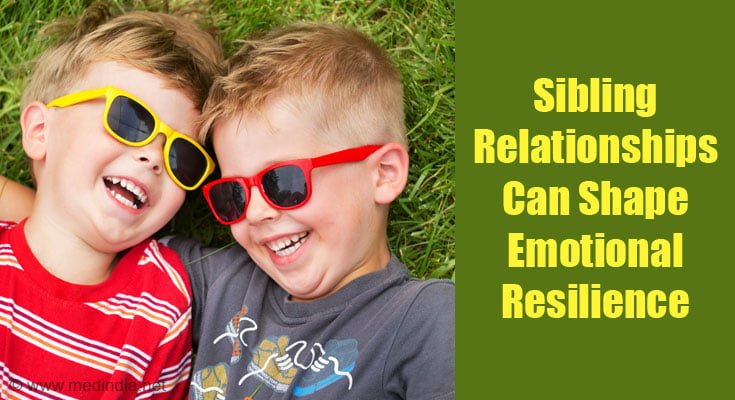
Sibling rivalry may be common, but brotherly bonds often provide lifelong emotional strength.
Highlights:
- Sibling relationships often shape emotional development and social skills from early childhood
- Supportive brotherly bonds can strengthen resilience and emotional well-being throughout life
- Healthy communication and shared experiences help maintain lifelong sibling connections
Family relationships play a powerful role in shaping emotional development (1✔ ✔Trusted Source
Family Relationships and Well-Being
Go to source
). Among these connections, the relationship between brothers often carries a unique blend of rivalry and affection. Many people grow up competing, arguing, and supporting one another at the same time. These shared experiences can shape emotional maturity and resilience. Psychologists describe sibling relationships as some of the longest-lasting social bonds in life (2✔ ✔Trusted Source
Theoretical Perspectives on Sibling Relationships
Go to source
).
Brothers often influence each other’s personalities, values, and coping mechanisms. Childhood interactions may involve competition, teasing, or disagreements. Yet beneath these conflicts lies a deep sense of familiarity and trust. Research in developmental psychology shows that siblings contribute to emotional learning during early life. Over time, these interactions strengthen brotherly bonds and social understanding.
Advertisement
The Unique Dynamics Of Brother Relationships
Brother relationships often include both rivalry and companionship during childhood. Many siblings compete for attention, achievements, or recognition within families. These interactions may appear challenging, but they can support emotional growth. Learning to negotiate disagreements helps children develop communication skills. Psychologists describe this process as sibling rivalry shaping social behaviour.
Shared experiences also create strong emotional memories between brothers. Growing up together means witnessing each other’s successes and struggles. This familiarity fosters a sense of belonging that may persist throughout adulthood. Even when disagreements occur, many brothers maintain long-lasting connections. These bonds often become a source of emotional support later in life.
Advertisement
How Brothers Influence Emotional Development
Children learn many social skills through interactions with siblings. Brothers often challenge each other to develop confidence and independence. These interactions can help individuals understand empathy, patience, and cooperation. Studies in family psychology highlight the role of siblings in developing emotional intelligence (3✔ ✔Trusted Source
Sibling relationships and empathy across the transition to adolescence
Go to source
).
Older brothers may also act as role models in certain families. Younger siblings observe behaviour patterns and adopt similar attitudes. This influence can affect decision-making and coping strategies during adolescence. Positive sibling relationships contribute to healthier emotional development. Over time, these experiences shape psychological resilience.
Advertisement
Brotherly Support During Difficult Times
During stressful life events, family connections often provide essential emotional stability. Brothers may offer practical support or simply provide a listening ear. Shared childhood memories create a foundation for trust and openness (4✔ ✔Trusted Source
The effect of childhood memories of happiness and peace on distress tolerance: the mediating role of emotional intelligence
Go to source
). This trust encourages individuals to discuss challenges more comfortably. Such interactions strengthen family emotional support.
Psychological research suggests that supportive siblings can reduce feelings of loneliness. Having someone who understands family dynamics may help individuals cope with stress. In adulthood, brothers may become allies during major life transitions. This includes career changes, financial struggles, or personal losses. These relationships contribute to long-term wellbeing.
Why Sibling Bonds Often Last A Lifetime
Unlike many friendships, sibling relationships usually begin early and continue across decades. Brothers share family traditions, childhood environments, and cultural values. These shared experiences create lasting emotional connections. Even when physical distance separates siblings, the bond often remains strong. Psychologists describe this enduring connection as lifelong sibling attachment.
Adult siblings frequently reconnect during important family milestones. Weddings, births, and family gatherings bring brothers together across generations. These moments reinforce shared identity and belonging. The familiarity of sibling relationships offers comfort during uncertain periods. Maintaining these ties supports emotional stability over time.
Strengthening Healthy Brother Relationships
Healthy sibling relationships require communication and mutual respect. Childhood conflicts may leave lingering tensions if unresolved. Open conversations help brothers understand each other’s perspectives better. Forgiveness and empathy often play important roles in rebuilding trust. These steps nurture healthy family relationships.
Spending time together can strengthen emotional connections between siblings. Shared activities such as travel, sports, or family celebrations help rebuild bonds. Even simple conversations can renew appreciation for each other. Maintaining contact through calls or messages also preserves connection. These efforts contribute to strong sibling bonds.
Frequently Asked Questions
Q: Why are brother relationships important for emotional development?
A: Brother relationships help children learn communication, empathy, and conflict resolution skills.
Q: Do siblings influence mental health?
A: Positive sibling relationships can support emotional resilience and reduce loneliness.
Q: Is sibling rivalry harmful?
A: Moderate sibling rivalry can help children develop negotiation and social skills.
Q: Do brother relationships change in adulthood?
A: Many brother relationships evolve into supportive friendships later in life.
Q: How can siblings strengthen their bond?
A: Open communication, shared activities, and mutual respect help maintain strong sibling relationships.
References:
- Family Relationships and Well-Being –
(https://pubmed.ncbi.nlm.nih.gov/29795792/) - Theoretical Perspectives on Sibling Relationships –
(https://pubmed.ncbi.nlm.nih.gov/21731581/) - Sibling relationships and empathy across the transition to adolescence –
(https://pubmed.ncbi.nlm.nih.gov/22714744/) - The effect of childhood memories of happiness and peace on distress tolerance: the mediating role of emotional intelligence –
(https://pubmed.ncbi.nlm.nih.gov/40949591/)
Source-Medindia
