


March 12, 2026
JAKARTA – The Health Ministry has reported a high prevalence of depression and anxiety among Indonesian children, affecting around 10 percent, about five times the rate recorded among adults and elderly, with bullying and academic pressure among the key risk factors.
The findings emerged from the government’s free health check program over the past year, which recorded roughly 363,326 children showing symptoms of depression and 383,316 exhibiting signs of anxiety disorders. The program has so far screened around 7 million out of an estimated 25 million children nationwide.
“This shows that mental health is a serious problem in the country that we previously failed to detect,” Health Minister Budi Gunadi Sadikin said in a recent press briefing.
He also cited data from the Global School-Based Student Health Survey (GSHS), conducted in coordination with the Indonesian government, which found a rise in the number of children reporting suicidal thoughts, from 5.2 percent in 2015 to 8.5 percent in 2023. Over the same period, the proportion of students who had attempted suicide increased from 3.9 percent to 10.7 percent.
Meanwhile, the Indonesian Child Protection Commission (KPAI) recorded at least 115 children who died by suicide between 2023 and 2025.
Risk factors
The ministry said risk factors behind mental health disorders among children and adolescents vary widely, ranging from parenting issues and family conflict (24 to 46 percent), bullying (14 to 18 percent), psychological distress (8 to 26 percent) and academic pressure (7 to 16 percent).
Child and adolescent psychologist Anastasia Satriyo said vulnerability to depression and anxiety among children is shaped by multidimensional factors, including biological conditions, family dynamics and the broader social environment.
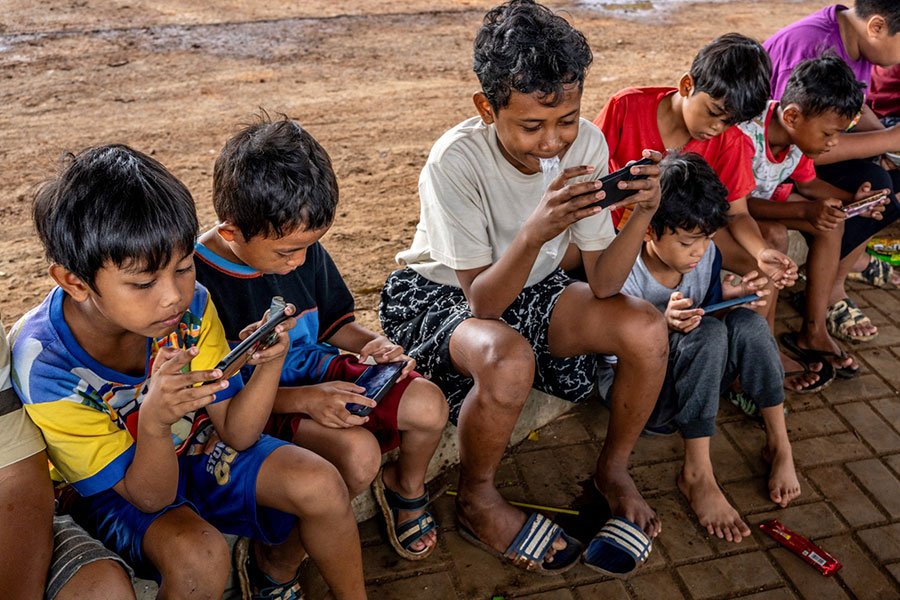
Overexposure to technology and the internet, particularly unrealistic social standards promoted on social media as well as cyberbullying, can also worsen depressive and anxiety symptoms among young people.
“Adolescents who are highly aware of social issues tend to be more vulnerable to mental distress. Discussions about government policies, environmental crises and even war circulating on social media can make them feel increasingly hopeless,” Anastasia told The Jakarta Post on Tuesday.
She emphasized that mental health problems in children do not appear suddenly but develop through accumulated experiences throughout childhood, shaped by parenting patterns, education and social interactions.
In Indonesia, Anastasia added, one of the biggest challenges is parents’ limited ability to recognize signs of psychological distress in their children, which can lead to prolonged difficulties in emotional regulation during adolescence.
“The first 1.000 days of a child’s life, followed by toddlerhood and the school years, all shape their emotional regulation and sense of security,” she said, highlighting the complex roots of children’s mental health problems.
Way out
Anastasia suggested that parents build strong emotional bonds with their children by, for example, taking time to listen without judgment and helping them identify and understand their emotions.
Schools, she added, also need to strengthen students’ social and emotional skills by implementing mental health education programs and anti-bullying initiatives, among others.
A broader systemic approach from the government is also needed, including expanding accessible counseling services for children and adolescents, improving public education on child mental health and training teachers and health workers to identify early symptoms of mental distress.
“The high rates of anxiety and depression among children show that proper mental health support must be a shared responsibility among families, communities and the government.”
The Health Ministry acknowledged that one of the main challenges is the limited number of mental health professionals, with only 203 clinical psychologists currently working in community health centers (Puskesmas), mostly concentrated in three major cities on Java: Jakarta, Yogyakarta and Surabaya.
The government has therefore encouraged regional administrations to recruit clinical psychologists for Puskesmas under Health Ministerial Regulation No. 19/2024 on the management of Puskesmas.
While waiting for more professionals to become available nationwide, Minister Budi urged communities to build grassroots mental health support networks, similar to the many support groups that have emerged for chronic illnesses such as cancer.
“But for mental health, such communities are still relatively rare. Perhaps we need to start building them now,” he said. (vdy)
