


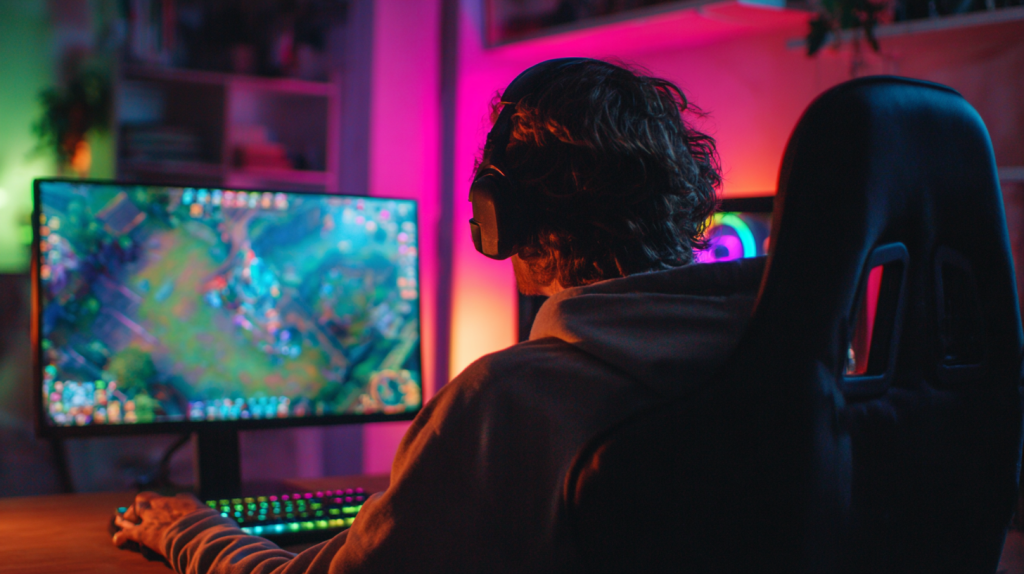
Everyone has that thing they do to unwind. Some people hit the gym, others binge Netflix, and millions of people worldwide fire up their favorite game.
For years, gaming got a bad rap as a waste of time or an addiction waiting to happen. But science is finally catching up with what gamers have known all along: playing video games can actually be good for your mental health.
The Science Behind Gaming and Mental Wellness
When you’re focused on completing a quest or winning a match, your mind isn’t replaying that awkward work meeting or stressing about tomorrow’s deadlines. This mental shift matters more than most people realize.
Even lighter, chance-based gaming experiences – such as platforms offering free cash for registration with no deposit (e.g., pl.polskiesloty.com/darmowa-kasa-za-rejestracje-bez-depozytu/) – can provide a quick burst of entertainment and relaxation. Simple slots, roulette, or scratch cards offer a low entry barrier, instant gratification, and a thrill of excitement in just a few minutes, with no pressure to rely on skill.
Here are some mental health benefits backed by research:
- Reduced anxiety through focused attention
- Improved mood from achievement systems
- Better stress management through controlled challenges
- Enhanced cognitive flexibility from problem-solving
- Social connection through multiplayer experiences
These dopamine hits aren’t just feel-good moments. They’re your brain’s way of reinforcing positive experiences.
Why Two Hours Hits the Sweet Spot
Too little gaming and you don’t get the full benefit. Too much and it starts interfering with sleep, work, and relationships. Two hours seems to be the Goldilocks zone where most people can decompress without negative consequences.
This timeframe gives you enough space to actually accomplish something in-game. You can complete a few matches, progress through story chapters, or knock out daily challenges. There’s a sense of completion that matters psychologically.
Starting and finishing something, even something as simple as a gaming session, triggers satisfaction that carries over into real life.
Gaming also provides what psychologists call “flow states.“
You know that feeling when you’re so absorbed in an activity that time flies? That’s flow, and it’s incredibly restorative for mental health. Two hours allows you to enter and maintain that state without it becoming problematic.
Different Games, Different Benefits
Not all games scratch the same mental health itch. The type of game you choose shapes the benefits you get.
Story-Driven Adventures
Games like The Last of Us or God of War offer emotional journeys that rival movies or books. They let you experience complex narratives and process difficult emotions in a safe environment.
Some players find these games help them work through their own feelings by connecting with characters facing similar struggles.
Competitive Multiplayer
League of Legends, Valorant, and similar games provide structured challenges and clear improvement paths. They’re great for people who need mental stimulation and measurable progress. The competitive element also fulfills our natural desire for achievement.
Puzzle and Strategy Games
Titles like Portal or Civilization engage your problem-solving skills and strategic thinking. They’re mentally stimulating without being stressful, making them perfect for winding down while keeping your brain active.
Casual and Mobile Games
Sometimes you just want something simple. Casual games offer low-pressure entertainment that’s easy to pick up and put down.
The key is knowing when entertainment remains entertainment rather than becoming something more consuming.
Setting Healthy Gaming Boundaries
Making gaming work as self-care requires some self-awareness. Here’s what healthy gaming habits actually look like:
Time management basics:
- Set a clear start and end time
- Use gaming as a reward after responsibilities
- Avoid gaming right before bed (blue light affects sleep)
- Take breaks during longer sessions
- Don’t game when you’re avoiding important tasks
Emotional check-ins:
- Notice if gaming stops being fun
- Recognize when frustration outweighs enjoyment
- Take breaks from competitive games if they spike anxiety
- Switch game types when your mood shifts
The goal isn’t to optimize gaming like it’s another productivity hack. Players have to be honest about whether gaming is actually helping their mental state or just numbing it temporarily.
When Gaming Stops Being Self-Care
If gaming starts replacing sleep, work, relationships, or basic self-care, it’s crossed from helpful to harmful. Missing important events to play, lying about how much you’re gaming, or feeling genuine distress when you can’t play are red flags worth examining.
Any activity, no matter how beneficial, can become unhealthy when it dominates your life. Gaming is no different. The two-hour guideline helps prevent this slide because it builds natural limits into your routine.
Making It Work for You
Gaming as self-care equals finding what actually helps you decompress and recharge. Maybe two hours feels like too much or not enough. Maybe you prefer weekends over daily sessions. The specific details matter less than the underlying principle: intentional relaxation through an activity you genuinely enjoy.
Your brain needs breaks from constant stress and stimulation. Gaming provides that break while keeping you engaged enough to prevent rumination. The next time someone questions why you’re “wasting time” gaming, remember that taking care of your mental health isn’t a waste. It’s essential maintenance that keeps everything else running smoothly.
