


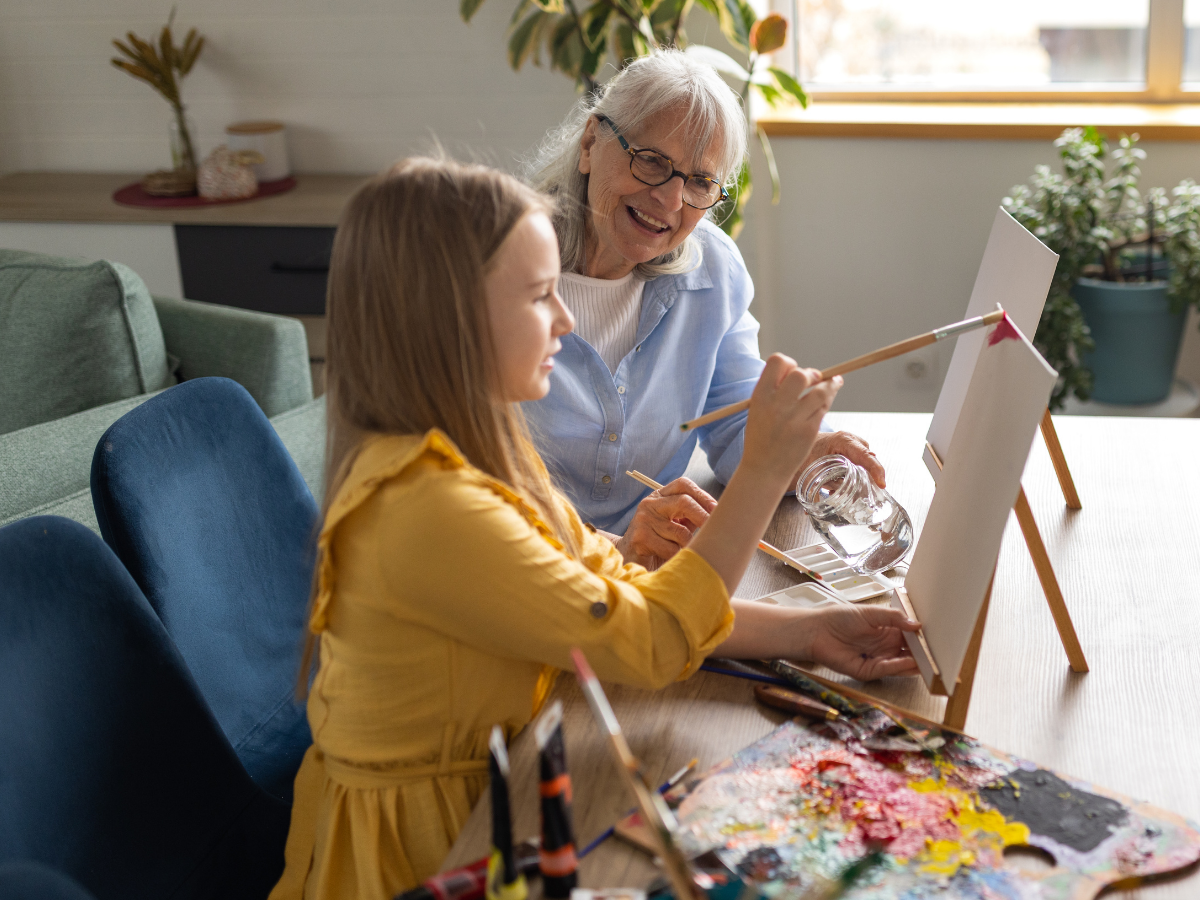
SUBMITTED PHOTO, BIG BROTHERS BIG SISTERS OF PRINCE ALBERT
Natasha Thomson, Development Coordinator
Big Brothers Big Sisters of Prince Albert
Submitted
Staying connected and engaged as we age plays an important role in maintaining both physical and emotional well-being. Volunteering—especially in relationship-based roles like mentoring—offers a meaningful way to support others while also supporting your own health.
One of the most significant benefits of volunteering is a renewed sense of purpose. Research shows that older adults who volunteer regularly report higher life satisfaction and a stronger sense of meaning in their daily lives. Knowing that someone looks forward to seeing you can bring structure, motivation, and enjoyment to your week. Even small commitments, such as one hour a week, can have a lasting impact.
Volunteering is also strongly linked to improved mental health. Canadian and U.S. studies have found that older adults who volunteer experience lower rates of depression, reduced stress, and greater emotional well-being. Regular social connection helps combat loneliness and isolation—two factors that can significantly affect mental health as we age.
There are physical health benefits as well. Research has shown that people who volunteer tend to enjoy better overall health, fewer physical limitations, and even longer life expectancy. Staying socially engaged encourages routine, gentle movement, and continued independence, all of which support healthy aging.
Perhaps most rewarding is the opportunity to share life experience, patience, and perspective with a young person. Mentors often find that the relationship is mutually enriching, offering connection, purpose, and personal growth in return.
If you are looking for a meaningful way to stay active, connected, and engaged, volunteering as a mentor can be a powerful and rewarding choice—benefiting both your well-being and the life of a young person.
-Advertisement-
