


It’s an irrefutable phenomenon: younger generations are drinking significantly less than their predecessors. While some still overindulge, a “0.0 generation” has emerged, viewing abstinence as a tool for physical and mental control.
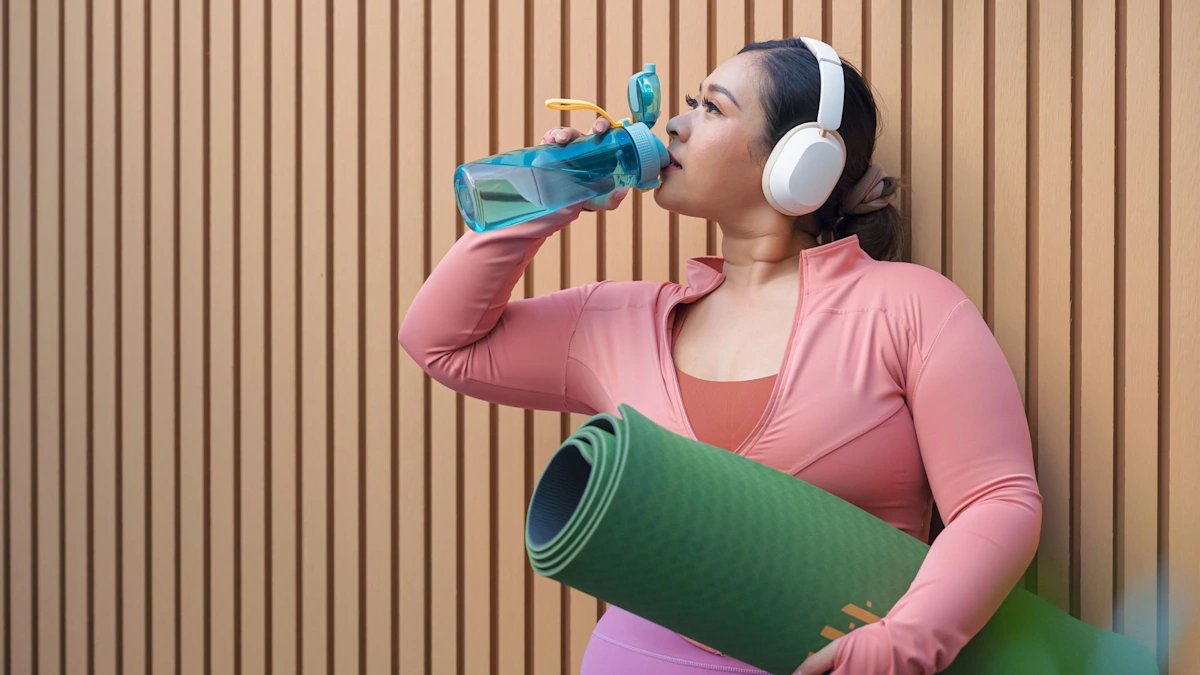
From mocktails to “morning raves,” the focus has shifted from late-night excess to mindful fun. This Gen-Z-inspired trend is part of a broader cultural obsession with wellness – including clean eating and constant exercise.
If you’re tempted to follow suit, keep in mind that while these habits are objectively beneficial, there is a hidden risk in taking them to the extreme. When the fear of “ruining progress” in our diet, beauty or workout routine starts to dictate our social lives, we lose the ability to simply go with the flow.
Psychologist Silvia dal Ben makes the case for a different approach to self-care: true well-being isn’t found in rigid restriction or socially “perfect” lifestyles, but in the balance between physical health and a guilt-free social life.
© Getty ImagesWhen the fear of ‘ruining progress’ in our diet, beauty or workout routine starts to dictate our social lives, it can take a toll on mental health
It isn’t a choice between black and white, nor a call to return to the excesses of the past. Instead, the goal is to find equilibrium: a space where we can prioritise our health without sacrificing the spontaneous joy that makes life worth living.
“This kind of ‘all-or-nothing’ mindset is not only unrealistic but also completely unsustainable in the long run,” explains the mental health expert.
The ‘Wellness Trap’: When healthy habits lead to social isolation
Grabbing a bite to eat or heading out for a night with friends is increasingly seen as a disruption to the daily routine, which is why it’s becoming less common among young people. But it shouldn’t be a burden. In fact, the occasional outing – whether you’re drinking alcohol or not – is vital for building human connection and offers genuine benefits to your well-being.
“Socialising and going out isn’t just about unwinding; it’s a chance to bond with friends, blow off some steam, and trigger those natural ‘feel-good’ chemicals that come from laughter and fun. By missing out on these moments, we risk becoming emotionally disconnected, which can easily lead to a sense of emptiness and loneliness.”
But where did it all start? The truth is, thanks to the societal standards that dominate the beauty and wellness industry, we’ve always been prone to this mindset. What’s new is that we’re now prioritising it above everything else.
© Getty ImagesAlong with working from home, healthy eating and staying active became top priorities during the pandemic back in 2020
This shift really took hold during the pandemic; with so much time to kill at home, many of us fell into new routines, with healthy eating and staying active becoming top priorities. But there was a darker side to the trend: cases of disordered eating soared, with many struggling for the first time during periods of confinement.
Now that “health” obsessions – from weight-loss jabs to workouts, diets and cosmetic procedures – are everywhere we look, we need to stop and consider what happens when we lose control of that drive to “improve” ourselves.
Our expert notes: “This can result in issues such as orthorexia, where the pursuit of physical wellness becomes so rigid that it actually compromises mental health. Psychologically speaking, true health isn’t just a physical thing – it’s a balance between our physical, emotional and social lives.”
Why your social life is just as important as your workout routine
Going out can often feel like it’s going to undo all the hard work we’ve put in. But while self-care is the foundation of our well-being, we have to remember that we are social creatures by nature. As our expert points out: “Relationships are vital for keeping us grounded, finding fulfilment and giving us a true sense of belonging.”
© Getty ImagesHaving social support is just as important as ‘me time’
Does this mean forcing yourself to socialise when you’re really not in the mood? Not at all. It’s all about balance: making time for others is just as important as carving out some quality ‘me-time’ – which, incidentally, is the perfect time to focus on eating well and staying active.
“In the world of positive psychology, we know that our connections with others are one of the most powerful sources of happiness and resilience. Whether it’s a simple catch-up with friends or a proper night out, socialising offers a much-needed break from the daily grind, strengthens our bonds and gives us a safe space to process how we’re feeling,” says dal Ben.
“This doesn’t just help to lower stress levels; it builds a vital support network that acts as a buffer against mental health struggles.”
How to overcome “Wellness Guilt”: 4 expert tips for a balanced life
Does this sound familiar? You miss a workout, and the guilt immediately kicks in. You give in to a craving and find yourself riddled with regret. Or perhaps you overdo it on a night out and end up guilt-tripping yourself for the next three days. If any of this rings a bell, you’re certainly not alone. We’ve all been there, and struggling to shake that sense of guilt is far more common than you might think.
“Psychologically speaking, true health isn’t just a physical thing – it’s a balance between our physical, emotional and social lives”
Psychologist Silvia dal Ben
The good news is that psychology offers plenty of ways to help us cope. Silvia dal Ben shares her top strategies for balancing a life lived to the full with a healthy routine, all without the side order of guilt:
- Stay flexible: “Let go of the idea that being healthy means sticking to a rigid regime. A truly balanced lifestyle is one that looks after your whole self, not just your physical fitness.”
- Change your health narrative: “Mental and emotional well-being aren’t separate from your physical health; they are completely intertwined. A fit body doesn’t count for much if your mind is burnt out or you’re feeling isolated.”
- Embrace imperfection: “Being healthy isn’t about getting everything ‘right’ all the time. Real self-care includes letting your hair down and allowing yourself to have fun, even if that means breaking your own self-imposed rules occasionally.”
- Find a routine that fits your life: “You don’t have to choose between a social life and your health. Going for a night out every now and then doesn’t mean you’ve neglected your diet or ruined your progress.”
“Everything in moderation” might be an old cliché, but it’s a mantra worth living by. The mental health expert leaves us with this final thought: “True health is a balancing act between self-care and nurturing your relationships. By making room for both, you aren’t just protecting your physical health; you’re fostering a life that is emotionally rich and genuinely fulfilling.”
About the expert:
Silvia dal Ben is a psychologist and clinical manager of European online therapy service provider Unobravo.
