


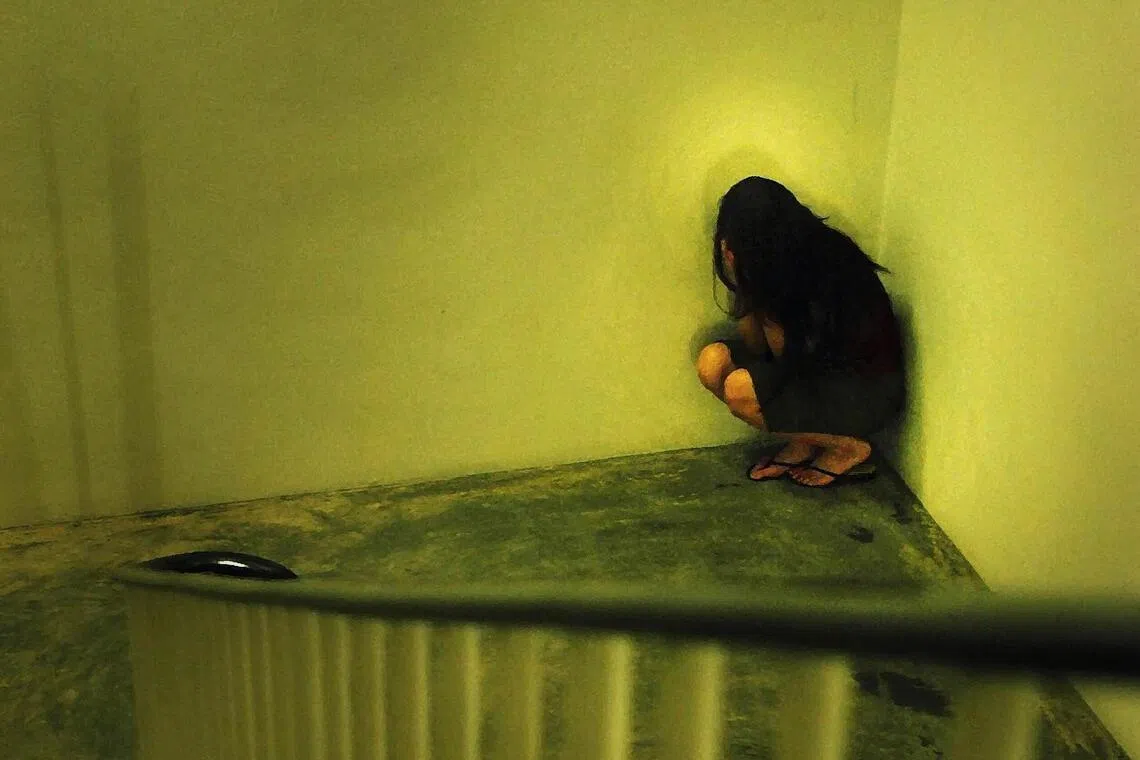
SINGAPORE – About 360 children under the age of four who were at risk of developmental delays and behavioural issues after being ill-treated by their caregivers have benefitted from a programme that involves screenings and home visits.
The Anchor Programme at KK Women’s and Children’s Hospital (KKH) is Singapore’s first home visitation initiative for young children exposed to adverse childhood experiences (ACEs).
These include physical, emotional or sexual abuse or neglect, and growing up in households marked by instability or conflict, according to a study the hospital published in Singapore medical journal Annals in April 2025.
The study noted that KKH assesses about 100 to 120 children under the age of four yearly for suspected maltreatment, including non-accidental injuries.
Programmes like Anchor highlight how targeted early interventions can mitigate the detrimental effects of ACEs for these vulnerable children, and help them improve their development, the study said.
First launched in 2019 as a pilot at KKH, Anchor has since been adopted for wider implementation by the Ministry of Social and Family Development (MSF) from June 2024. Children under the age of four who are assessed to be at moderate-to-high risk of maltreatment are eligible for enrolment.
The study analysed 125 children from the programme, finding that support from Anchor led to significant improvements in their developmental and behavioural outcomes.
At the start of the programme, nearly three-quarters were at risk of developmental delay. After receiving support, most children made improvements in reaching age-appropriate milestones.
They improved in gross motor skills, such as standing and taking first steps for those who were younger, as well as fine motor skills like drawing and writing.
Improvements were also seen in internalising behavioural concerns – distress directed inward that may appear as anxiety, withdrawal or low mood.
Such behaviours can be trauma responses linked to maltreatment and other adversities, including exposure to domestic violence or caregiver mental illness, said Dr Ong Li Ming, a consultant with KKH’s General Paediatrics Service.
Identifying these issues early is important, as they may be early indicators of mental health issues in adulthood, she added.
The number of child abuse cases in Singapore rose in 2024,
according to MSF’s Domestic Violence Trends Report published in December.
Among children aged six and below, there were 1,037 low-to-moderate risk cases and 824 high-risk cases.
Types of abuse reported included physical abuse, neglect, sexual abuse, and emotional and psychological abuse.
As of 2025, around 360 children have benefitted from the Anchor Programme, said Dr Ong. Siblings in the same household who share the same caregivers can also receive support.
The study noted that while families of the children seen at KKH for suspected maltreatment were assessed in the past, there was previously no structured way to assess children’s development, behaviour and trauma, nor of their caregivers’ mental health.
Referrals for interventions were typically made only when developmental delays were obvious, and there were limited opportunities to ensure consistent support at home or follow-through of referrals.
The aim of launching Anchor was to better address the impact of ACEs early in life, the study said.
Children in the programme are screened for their physical, social, and emotional development, as well as their behaviour and trauma history. Caregivers are also screened for depression, anxiety and parental stress.
Children with significant developmental delays are referred to hospital-based services.
The home visits are helmed by community health workers, who with the support of psychologists, medical social workers and paediatricians, ensure that intervention strategies are consistently applied at home. These include age-appropriate games, and sharing of parenting techniques and tools.
Caregivers with mental health concerns receive support through referrals within the hospital or to other social service agencies.
Dr Ong said these families often face challenges that make regular hospital visits difficult. Home visits allow the team to build trust and provide more targeted and accessible support in an environment where families feel secure, she said.
The programme has recently piloted a psychotherapy approach, which refers to psychological treatments for those with mental health problems, that uses guided interactions to strengthen the bond between caregiver and child.
Another programme at the Institute of Mental Health (IMH) supports children and youth aged six to 18 who have been exposed to abuse or trauma, through assessment and trauma-focused treatments.
The FRIENDS programme was started in 2010 and is delivered by a multidisciplinary team of psychiatrists, psychologists and medical social workers. The programme also helps young offenders.
FRIENDS supported 137 youth victims of abuse or trauma in 2025, up from in 95 in 2024 and 46 in 2023.
This group of youth made up a growing share of the caseload, rising from 65 per cent in 2023 to more than 80 per cent in 2024 and 2025.
The increase reflects expanded eligibility and a reorganisation in resources.
In recent years, the programme widened its criteria to cover a broader range of ACEs and trauma-related issues, said Dr Deva Priya Appan, a consultant with IMH’s Department of Developmental Psychiatry.
The programme has also stepped up training for staff and social workers in children’s homes, and provides clinical consultation services for residents in these settings, she said.
Dr Deva said the programme focuses on understanding the emotional, psychological and developmental needs of affected youth, and the impact of trauma on their well-being. Support may include individual therapy, interventions to help youth cope, and family work to strengthen caregiving and safety at home.
ACEs increase the risk of developing mental health issues later in life, she said. Individuals who experienced one ACE are about three times more likely to develop mood or anxiety disorders compared with those with none, based on data from the Singapore Mental Health Study 2016.
While not all who are exposed to ACEs will develop mental illness, Dr Appan said early intervention is crucial to prevent or reduce the long-term impact of trauma.
The aim is to help affected children and youth feel safe, supported and better able to recover and function in daily life, she added.
