


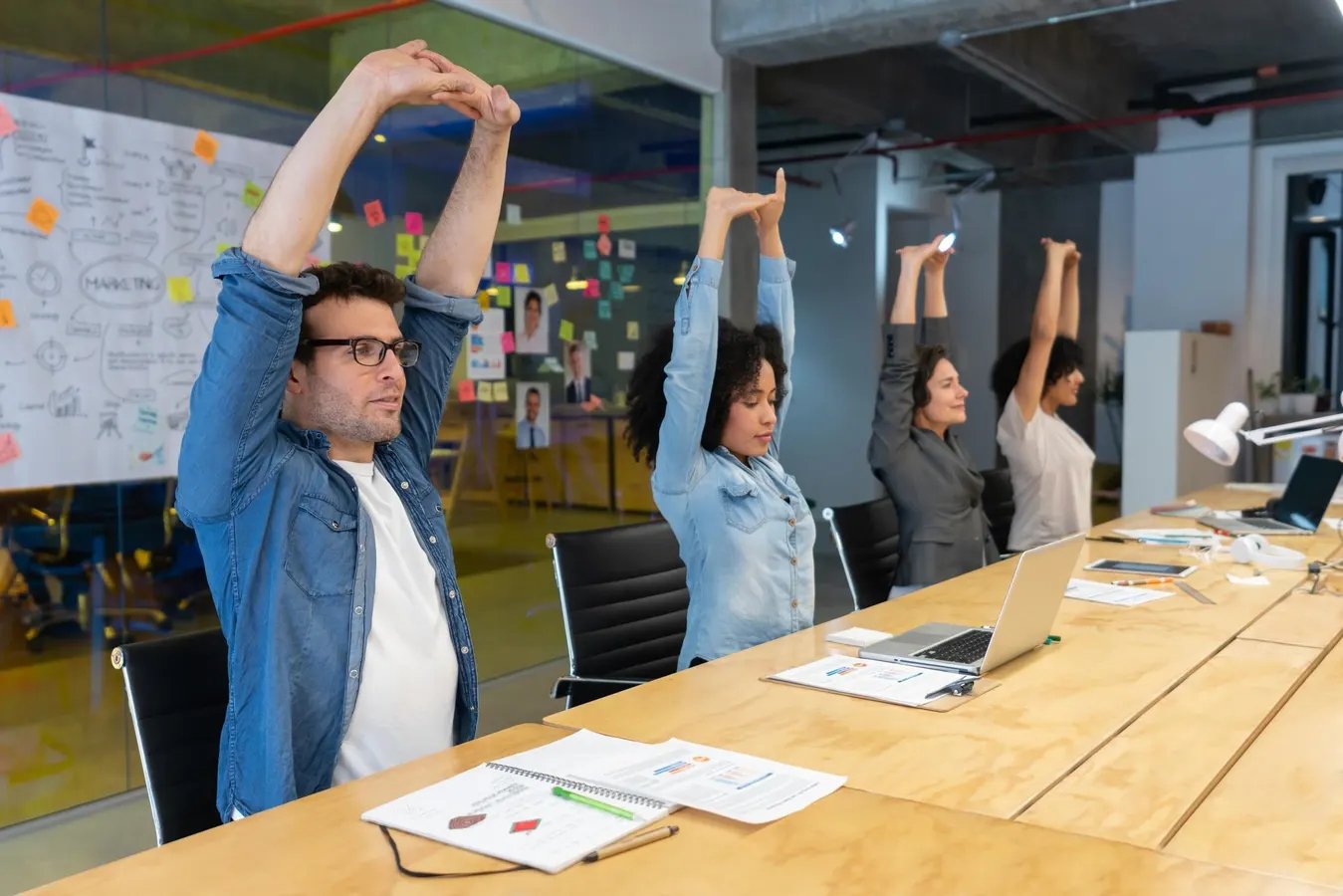
As corporate strategy evolves, leaders are moving beyond surface-level perks to prioritize measurable wellness programs that drive long-term organizational performance.
getty
Workplace wellness is an important topic in 2026. Leadership teams are looking for the next initiative, and yet employees may be overwhelmed by a plethora of health tools, programs and perks.
As these trends rise, a critical question remains: How can a leader tell if an initiative is actually working? In my work analyzing leadership and organizational strategy, I’ve found that the most successful programs focus on tracking participation and tangible outcomes.
What are the wellness KPIs that really matter? Simply saying “I feel better” isn’t enough. To find consistent ways to measure wellness, I look for initiatives that directly impact performance, such as mental health resources, movement-based challenges and proper hydration.
Unlike fleeting exercise fads or dietary trends, these sustained wellness initiatives provide the foundation for a high-performance culture. A mental health day provides temporary relief, but long-term success requires consistency. Integrating wellness initiatives into the daily office flow creates tangible factors that are far easier to track and measure.
At their core, wellness programs are most effective when they address the basic needs of the workforce. This is why these initiatives are becoming a key metric in the broader employee experience. Analyzing the success of these programs makes it clear why health has become a hallmark of modern corporate culture.
How Holistic Programs Boost Productivity
A well-rounded wellness program is a critical driver of professional performance. One often-cited study from 2013 found that the simple act of drinking enough water can boost productivity by 14%. The researchers involved connected these effects to two things:
- The first is mental. When a body is deprived of basic needs—whether it is stress relief or hydration—the brain is preoccupied. Satisfying those needs frees the mind up for other work.
- The second is pure physiology. When an individual is supported by a robust wellness initiative, they can function and think better, with more energy and less tiredness.
Similarly, programs that encourage regular movement and mental breaks help mitigate the burnout that often plagues high-growth teams.
The benefits of these programs go further. According to the corporate wellness gamification app PUML, “cognitive functions like attention, motor coordination and executive functions are markedly improved when the body is well-hydrated.” For a leader, providing the resources for these habits is a simple way to reduce work-related stress across the team.
Wellness Is More Accessible Than Ever
Another reason these wellness initiatives are so central to employee experiences is that they are more accessible than ever. While health has always been a personal concern, now there are more ways for leadership to support these habits through intentional programming.
Successful wellness strategies come in all shapes and sizes. Some workplaces focus on movement through step challenges or yoga sessions. Many forward-thinking organizations provide high-quality gear to encourage healthy habits, such as the Owala FreeSip that was a top trending item in 2025.
A growing number of companies install high-quality hydration stations, like FloWater’s office-designed, hyper-purified water systems (used in offices like Google, Whole Foods and Red Bull). Still others invest in subscriptions for mental health apps or on-site counseling.
In short, there’s no excuse for a lack of wellness support. Modern workspaces now have every reason to invest in the best programs and techniques on the market.
Turning Wellness Into a Measurable KPI
Consistent support for employee needs makes these initiatives the most important aspects of the workday. They serve as prime case studies for how to turn a general wellness goal into a top measurable metric for employee experience.
In 2025, 84% of US consumers said wellness was a “top” or “important” priority. That number is unlikely to drop in 2026. As employees prioritize staying healthy, office-led initiatives—from mental health support to high-grade hydration—will remain consistent favorites among HR representatives and team leaders. They offer exactly what executives need to build a corporate wellness program with real impact and measurable results.
