


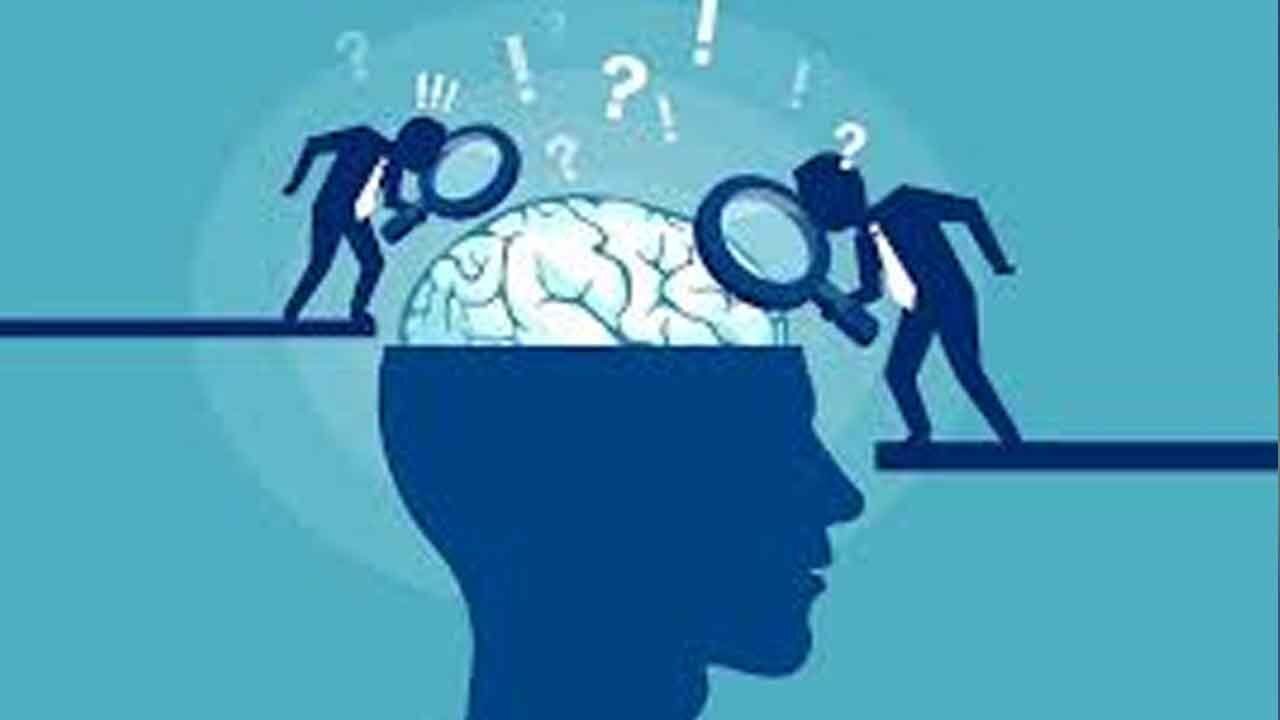
Emotional maturity is not about suppressing feelings or always appearing calm. Instead, psychology defines it as the ability to understand emotions, manage them effectively, and respond to life’s situations with awareness and balance. People who are emotionally mature tend to build stronger relationships, handle stress better, and navigate challenges without being overwhelmed. Here are eight widely recognised signs of emotional maturity, explained through a psychological lens.
One of the strongest indicators of emotional maturity is taking responsibility for one’s emotions. Emotionally mature individuals recognize that while situations and people may trigger feelings, how they respond is their own choice. Rather than blaming others for anger, sadness, or frustration, they pause, reflect, and respond thoughtfully. This accountability helps them grow emotionally and maintain healthier interactions.
Another key sign is honest and respectful communication. Emotionally mature people express their feelings, needs, and boundaries clearly without resorting to manipulation, aggression, or silence. They are willing to have difficult conversations while remaining respectful, and they listen just as carefully as they speak. This balanced communication fosters trust and mutual understanding.
Handling criticism well is another hallmark of emotional maturity. Instead of becoming defensive or taking feedback as a personal attack, emotionally mature individuals evaluate criticism objectively. They separate their self-worth from others’ opinions and focus on what can be learned. This openness to feedback supports personal and professional growth.
Empathy and understanding also play a major role. Emotionally mature people try to see situations from others’ perspectives, even when they disagree. They acknowledge emotions without dismissing or judging them. This ability to validate others’ feelings strengthens emotional bonds and reduces unnecessary conflict.
Setting healthy boundaries is equally important. Emotional maturity involves knowing personal limits and communicating them clearly. Emotionally mature individuals can say no without guilt and respect others’ boundaries as well. These boundaries protect emotional well-being and help create balanced, respectful relationships.
Staying calm during conflict is another clear sign. Rather than escalating disagreements, emotionally mature people focus on resolving the issue. They remain composed, listen actively, and aim for solutions instead of trying to win arguments. This approach preserves trust and emotional stability in relationships.
Accepting change also reflects emotional maturity. Emotionally mature individuals understand that change is unavoidable. Instead of panicking or resisting, they adapt with resilience and flexibility. They view uncertainty as an opportunity for growth rather than a threat.
Finally, emotionally mature people let go of resentment and practice forgiveness. Holding onto past hurt drains emotional energy. Forgiveness, in this context, does not mean excusing harmful behavior but choosing peace over prolonged anger. By processing emotions and moving forward, emotionally mature individuals protect their inner well-being.
Together, these traits highlight that emotional maturity is an ongoing process. It develops through self-awareness, practice, and a willingness to grow, ultimately leading to healthier relationships and a more balanced life.
