


Over the last two weeks, a lot of clients have been talking about wanting to feel calm in their day-to-day life. It’s one of the goals they hope to achieve this year. They have been contemplating how to develop capacity for greater calm in various situations. One client told me how phone notifications get her so worked up, she begins to imagine worst case work scenarios and all of this leads her to feeling unsafe and anxious. Another spoke about how he has been having explosive outbursts with family, where a small comment can irritate him and lead to an uncontrollable reaction. Both clients talked about wanting to feel emotionally and physically relaxed and being able to formulate a measured response with clarity, composure and reason.
The reality is that people often don’t start therapy wanting to be calm, they start the process by wanting to control their hypervigilance and heightened responses, and figure out what leads to these responses. However, as people dive into the therapy process, they come to see that what is evoked in the absence of calmness is anger, rage, fear, anxiety, paranoia, and an inability to trust themselves. This insight helps people move towards developing an inner strength that can serve as a resource in difficult times.
The state of calm I’m referring to has to do with a sense of steadiness we experience internally as we navigate challenging situations. A calm state involves being aware of how emotions are felt in the body, emotional regulation, focused attention and trust that such situations may be tough, yet with the support of others and our resources we can manage.
We experience this state in the body as a feeling of safety and restfulness, and in the mind as clarity. Behaviourally, it is evident in our non-verbal expression, the tone of voice we use with ourselves and others, and in self-talk that is kind and compassionate.
This is one of the foundational skills we need to deepen as it enhances the quality of our relationships. The good news is we can work towards developing a calm state using research-backed techniques. When there is longstanding history of trauma, abuse and grief, we can learn to not be constantly hypervigilant and instead activate a calm state.
When things are going our way, it’s easier to stay present however small the threats, but then difficult life situations can take us away from a calmer state. So, the trick is to learn how one can bounce back to a calm state.
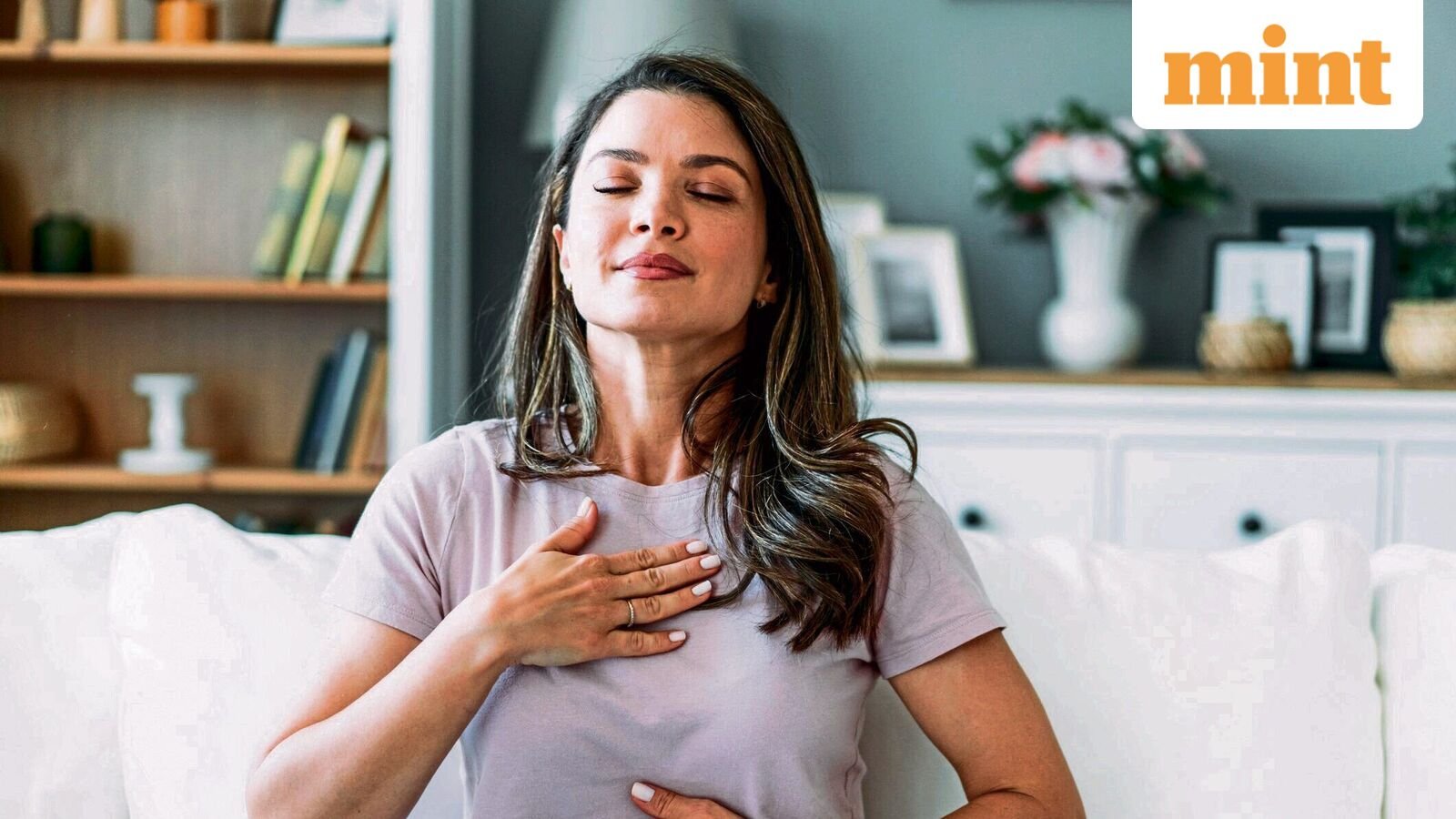
Acts of watching our breath, belly breathing, stretching exercises, a cold shower, engaging in practices like tai chi and being out in nature can help us not just emotionally relax but also experience physical ease. Building a toolkit and knowing what works immediately allows for pause.
I remind clients how we seem to underplay our coping strengths and fall into the trap of building imaginary worst case scenarios, leading to a pattern of overestimating the stressors.
I have found merit in remembering that feelings of unease, anger, rage and overwhelm are fleeting. From a belief standpoint, I remember a friend saying how we view the world shapes how we feel and behave. She reminds herself, “Nobody wakes up thinking, ‘I’m going to make someone else’s life miserable today’.” This awareness helps reduce the personalisation of stressors, while maintaining openness and trust, supporting a calmer state in the body.
Every time I find myself overwhelmed, I think back to this quote attributed to the Dalai Lama: “If someone remains in a peaceful and tranquil state of mind, external surroundings can cause them only a limited disturbance.”
This serves an anchor to start working again on what it takes to be calm.
Sonali Gupta is a Mumbai-based psychotherapist and author.
